
Church Technology Solutions: A 2026 Guide for Modern Houses of Worship
Church Technology Explained: AV, Security, Streaming & Automation (2026)
Church Technology At A Glance
- Who it’s for – Churches, ministries, and houses of worship
- Primary Goals – Engagement, reliability, safety, & efficiency
- Core Systems – AV, streaming, security, document management, mailing automation
- Biggest Mistake – Buying tools without an integration strategy
1. Church Lighting Systems
What Church Stage Lighting Solves
- Poor visibility for speakers and worship leaders
- Inconsistent lighting between services and events
- High energy costs and frequent bulb replacements
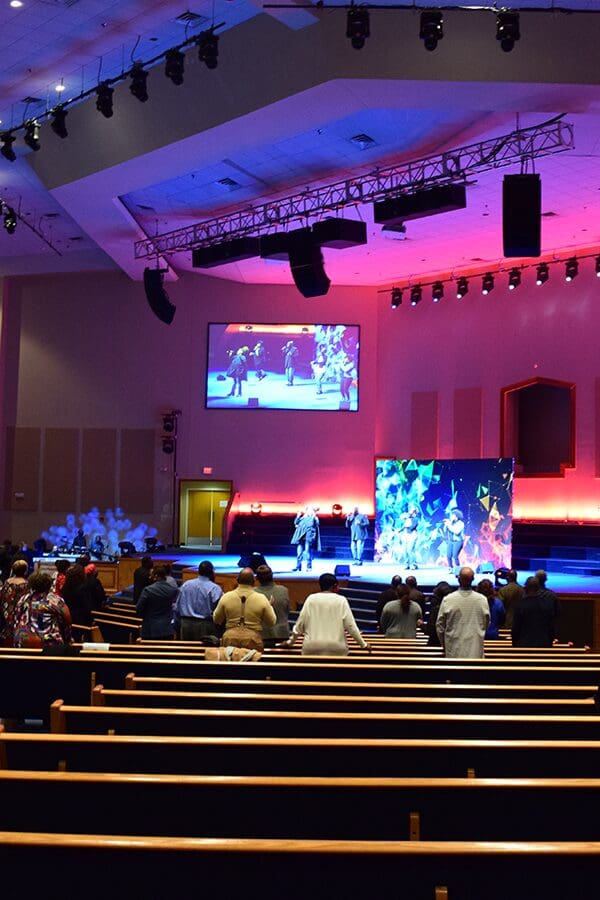
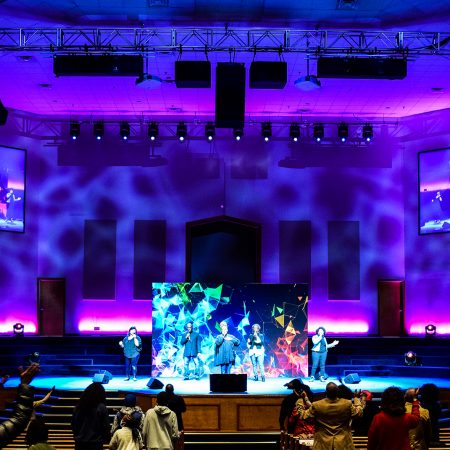
Best Practices for Church Lighting
- LED fixtures for energy efficiency, long lifespan, and lower maintenance
- Programmable lighting scenes to support different worship styles, seasons, or events
- Integration with video systems to avoid harsh shadows and color imbalance on camera
Common Mistakes to Avoid
- Over‑lighting the stage, which flattens depth and distracts attention
- Mixing incompatible fixtures that don’t color‑match
- Treating lighting as a standalone purchase instead of part of the AV ecosystem
2. Church Sounds Systems (Audio & Acoustics)
What Church Audio Systems Solve
- Inconsistent volume across seating areas
- Poor speech clarity
- Feedback, distortion, or dead zones
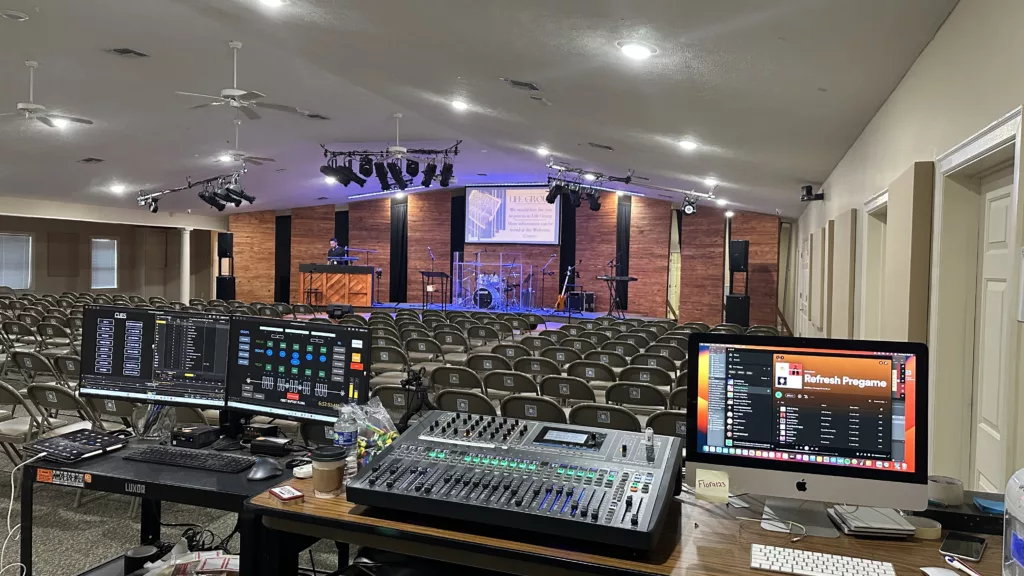
Best Practices for Church Audio
- Digital mixing consoles for precision control and presets
- Wireless microphone systems for flexibility and mobility
- Proper speaker placement and tuning based on room acoustics—not guesswork
Common Mistakes to Avoid
- Buying higher‑powered speakers instead of fixing acoustics
- Relying on untrained volunteers to “tune it by ear”
- Ignoring maintenance and calibration over time
3. Church Video Production Systems
What Video Production Solves
- Low‑quality live streams that disengage viewers
- Inconsistent camera angles and visuals
- Limited ability to repurpose content
Best Practices for Church Video
- Multi‑camera setups for dynamic, broadcast‑style production
- Centralized video switching systems to simplify operation
- Editing and recording workflows for on‑demand content
Common Mistakes to Avoid
- Relying on a single static camera
- Overcomplicating systems for volunteer operators
- Ignoring lighting’s impact on video quality
Lorem ipsum dolor sit amet, consectetur adipiscing elit. Ut elit tellus, luctus nec ullamcorper mattis, pulvinar dapibus leo.
4. Church Live Streaming Technology
What Live Streaming Solves
- Limited reach beyond in‑person attendance
- Disconnected remote members
- Inconsistent service delivery for online viewers
Best Practices for Live Streaming
- Reliable, high‑bandwidth internet connections
- Streaming platforms with analytics to measure engagement
- Tight integration with video and audio systems to maintain quality
Common Mistakes to Avoid
- Streaming directly from a phone without audio integration
- Ignoring redundancy for internet or power
- Treating online viewers as an afterthought
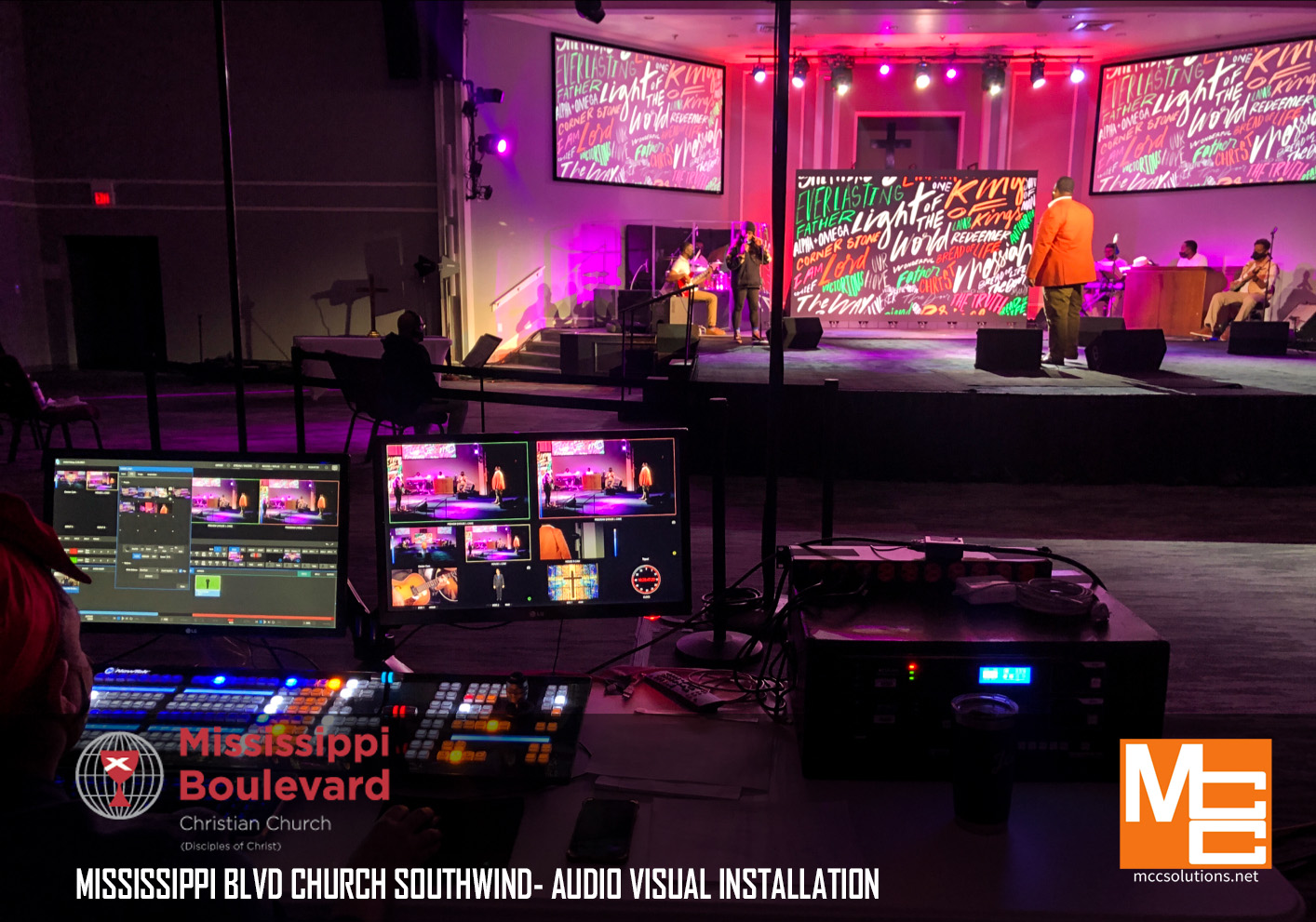
Video production works best when paired with professional Live Video Production Solutions for Churches
5. Workflow Automation & Document Management for Churches
What Document Management Solves
- Lost or duplicated files
- Manual approvals and repetitive tasks
- Limited access for staff and remote volunteers
Best Practices for Church Automation
- Cloud‑based document storage with secure access controls
- Automated workflows for approvals, onboarding, and scheduling
- Searchable archives for fast retrieval
Common Mistakes to Avoid
- Storing sensitive files on shared drives without security
- Relying on email chains for approvals
- Automating without documenting processes first

6. Physical Security Systems for Churches
What Church Security Solves
- Unauthorized access
- Limited visibility during services and events
- Slow response to incidents or emergencies
Best Practices for Church Security
- Strategically placed cameras with centralized monitoring
- Access control systems for doors and restricted areas
- Remote monitoring and alerts for staff and leadership
Common Mistakes to Avoid
- Installing cameras without a security plan
- Ignoring privacy and congregation trust
- Using consumer‑grade equipment for large facilities
7. Mail Automation & Communication Systems
What Mail Automation Solves
- Manual processing errors
- Delayed or returned mail
- Rising postage and labor costs
Best Practices for Church Mailing
- Automated address verification to reduce waste
- Postal optimization tools to qualify for discounts
- Integration with church management systems for accuracy
Common Mistakes to Avoid
- Treating mailing as a one‑off task
- Manually updating address lists
- Ignoring compliance and data security

Planning a Church Technology Upgrade?
MCC designs and supports integrated church technology systems across the Mid-South – from AV to live streaming to security and automation.
Talk to a Church Technology Specialist
Talk to a specialist who understands worship spaces—not just hardware.
Schedule a ConsultationChurch technology includes audio-visual systems, live streaming, security, and automation tools used to enhance worship and operations.
Church technology is essential in 2026 because most congregations expect hybrid worship, reliable live streaming, safe facilities, and efficient operations despite limited staff and volunteer resources.
LED lighting systems are best for church stages because they are energy‑efficient, long‑lasting, programmable, and integrate well with video and control systems. LED lights also make color changes, designs, and programmable movement easier – meaning your worship service can be more dynamic.
Churches improve sound quality by using properly designed speaker layouts, digital mixing consoles, wireless microphones, and acoustic tuning based on the room—not just equipment upgrades.
Church video production typically requires high‑definition cameras, a video switcher, audio integration, proper lighting, and simple control systems that volunteers can operate consistently.
Reliable church live streaming requires a stable high‑speed internet connection, integrated audio and video systems, and streaming platforms that support redundancy and performance monitoring.
Document management for churches uses cloud‑based software to securely store, share, and automate workflows for files such as financial records, volunteer documents, and administrative forms.
Church security systems help protect congregants and facilities by providing monitored cameras, controlled access points, and faster response to safety incidents without disrupting worship.
Churches use mail automation to reduce manual processing, improve accuracy, control postage costs, and ensure consistent delivery of donor statements, notices, and outreach materials.
The cost of church technology varies based on building size, system complexity, and integration needs. Many churches reduce cost by implementing phased upgrades rather than full replacements.