AI-Driven Security Systems:
Smarter Protection for Modern Businesses
Most business security systems were designed for a different era.
Cameras recorded footage. Motion sensors triggered alerts. Someone reviewed incidents after something had already happened. For years, that was considered “good enough.”
Today, it isn’t.
Modern businesses face more complex environments, fewer staff resources, and higher expectations for safety and accountability. Traditional security systems struggle to keep up — not because they’re broken, but because they were never built to think.
That’s where AI-driven security systems change the equation.
The Problem with Traditional Security Systems
At first glance, traditional security systems seem effective. Cameras are installed. Alerts are active. Footage is stored. But in day-to-day operations, cracks quickly appear.
Most traditional systems rely on basic motion detection. Any movement — shadows, weather, animals, passing vehicles — can trigger an alert. Over time, this creates a constant stream of notifications that rarely indicate real threats.
The result?
High false-alarm rates
Alert fatigue among staff
Slower response when something does matter
Critical incidents buried in noise
When everything triggers an alert, people stop paying attention. And a system that’s ignored is no longer providing protection — it’s just recording history.
Why Recording Isn’t the Same as Protection
Recording footage is reactive by nature. It tells you what happened after the fact.
But security isn’t just about documentation. It’s about awareness, response, and prevention.
In many organizations, footage is reviewed only after:
A break-in
A safety incident
A liability issue
A compliance concern
By then, the damage is already done.
Businesses don’t need more footage.
They need better insight.
What Makes AI-Driven Security Different
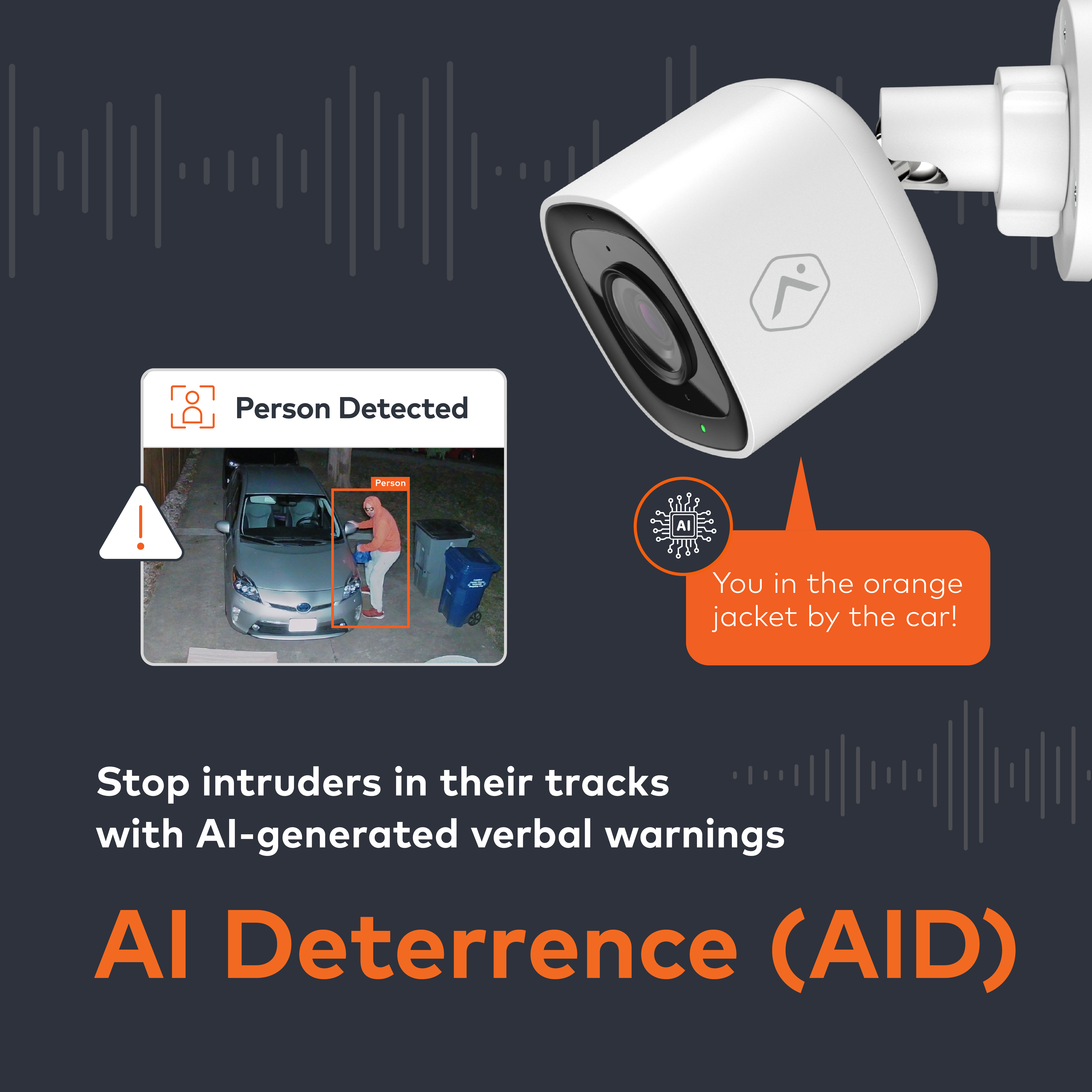
AI-driven security systems don’t just detect motion — they analyze context.
Using intelligent video analytics, AI security systems can identify:
People vs. objects
Vehicles vs. background movement
Patterns of behavior
Restricted-area activity
Instead of flagging everything, AI focuses on what actually matters.
This means alerts are generated when:
A person enters an area after hours
A vehicle moves in a restricted zone
Suspicious behavior deviates from normal patterns
Fewer alerts. More meaningful ones.
The Business Impact of Smarter Detection
For businesses, the difference isn’t technical — it’s operational.
AI-driven security systems help organizations:
Dramatically reduce false alarms
Improve response times
Focus staff attention on real events
Improve accountability and visibility
Scale security coverage without adding headcount
When alerts are accurate, teams respond faster. When response improves, risk decreases. And when risk decreases, security stops being a constant interruption and starts supporting operations instead of disrupting them.
Where AI-Driven Security Delivers the Most Value
AI-powered security is especially effective in environments where traditional systems struggle, including:
Office buildings with after-hours access
Warehouses and distribution centers
Healthcare facilities
Retail and mixed-use properties
Campuses and multi-site operations
In these settings, motion-based alerts often generate more noise than insight. AI helps separate normal activity from events that actually require attention.
Why AI Security Isn’t One-Size-Fits-All
Despite the benefits, AI-driven security is not plug-and-play.
Camera placement, lighting conditions, hours of operation, and business workflows all affect how analytics perform. A system that works perfectly in one environment may be ineffective in another if it isn’t designed intentionally.
That’s why effective AI security starts with understanding:
What you want to detect
When alerts should trigger
Who responds — and how
Where false alarms currently occur
Technology alone isn’t the solution. Design matters.
The Role of a Security Assessment
An AI Security Assessment helps identify where intelligent analytics actually add value — and where they don’t.
During an assessment, businesses can gain clarity on:
Current system limitations
Alert behavior and false-alarm patterns
Coverage gaps and blind spots
Opportunities to improve response workflows
Just as importantly, it helps avoid unnecessary changes. In many cases, AI analytics can be layered onto existing systems, depending on hardware and infrastructure.
Smarter Security Starts with Better Questions
If your security system generates more alerts than insight, or if your team has grown accustomed to ignoring notifications, it’s a sign that the system isn’t working the way it should.
AI-driven security isn’t about replacing everything you have. It’s about making your system quieter, smarter, and more effective.
If you’re evaluating security this year — or if your current system feels outdated — the best next step is clarity.
Ready to See What AI-Driven Security Could Do for Your Business?
Let’s take a practical look at your environment and determine where intelligent security makes sense.
No pressure. No generic packages.
Just smarter protection, designed around your business.
Request an AI Security Assessment Today!AI-Driven Security Systems FAQ
What is an AI-driven security system?
An AI-driven security system uses intelligent video analytics to identify people, vehicles, and behavior in real time. Unlike traditional motion-based systems, AI focuses on meaningful activity instead of triggering alerts for every movement.
How does AI security reduce false alarms?
AI security analyzes context and patterns rather than basic motion. This allows it to ignore shadows, weather, and background movement while alerting only when real threats or unusual behavior are detected.
Do AI security systems replace existing cameras?
Not always. In many cases, AI analytics can be added to existing camera systems depending on hardware capabilities, camera placement, and network infrastructure. A security assessment helps determine what’s possible.
Is AI security difficult to manage?
When designed correctly, AI-driven systems are often easier to manage than traditional security. Fewer false alerts mean staff spend less time reviewing footage and more time responding to real issues.
Is an AI security assessment a sales pitch?
No. An AI security assessment focuses on understanding your environment, identifying gaps, and determining whether AI analytics make sense. Any recommendations are proposal-based and tailored to your business needs.
Looking for something specific?
Want the latest news in your inbox?
 | Thank you for Signing Up |
 | Thank you for Signing Up |